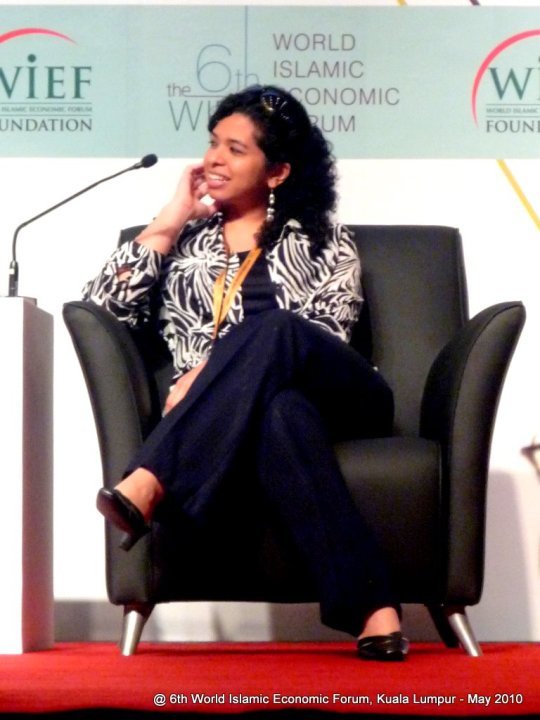
I work at the seam between worlds.
Most of my career has been spent in the space where things don’t quite translate — where a regulator’s framework needs to reach a village, where a research finding needs to move a minister, where a clinician’s insight needs to reach a woman in crisis, where an executive’s intent needs to land in a room that wasn’t built to hear them.
That space is where I’ve found my work.
Over two decades, I’ve moved between disciplines, sectors and continents. I began in research, at the Centre for Non-Traditional Security Studies, S. Rajaratnam School of International Studies, where I co-led research teams on climate, energy, and human security, and helped manage multi-year research projects funded by government ministries, the Ford Foundation (USA), and the International Development Research Centre (Canada). I continued that work at the Australian National University, studying faith-based environmentalism in Indonesia.
From research I moved into convening and capacity building – as Co-Director of the Young Digital Media Professionals Initiative at the East-West Center in Honolulu, where I co-designed six-week virtual institutes on environment, technology, and governance for fellows across Southeast Asia. And as Co-Founder of Hornbills: Concepts and Communications in Singapore, where we’ve worked with water tech companies, B2B consultancies, healthcare providers, professional bodies, and regional think tanks across Asia, the Middle East, and North America.
Today, as Editor at Welchman Keen, I support thought leadership and help shape the processes that hold the firm’s work together — including external communications, mentorship process support for the Economic Micro-Hub initiative in Vanuatu, and the firm’s B Corp certification work, where sustainability and ESG frameworks are applied to how a consultancy structures its own governance and accountability.
The thread running through all of it: translating complex ideas into forms that move the people who need them.
Overall, my work sits across three practices:
- Thought Leadership & Executive Voice
For leaders who need to be heard — credibly, consistently, and in their own register. - Research-to-Reach
For institutions whose work deserves better narratives to travel further than the PDF it was published in. - Process Architecture
For initiatives that need to hold together across very different stakeholders.
That’s me in a nutshell.
If you’re working on something that needs to cross worlds, I’d be happy to hear more about it.

